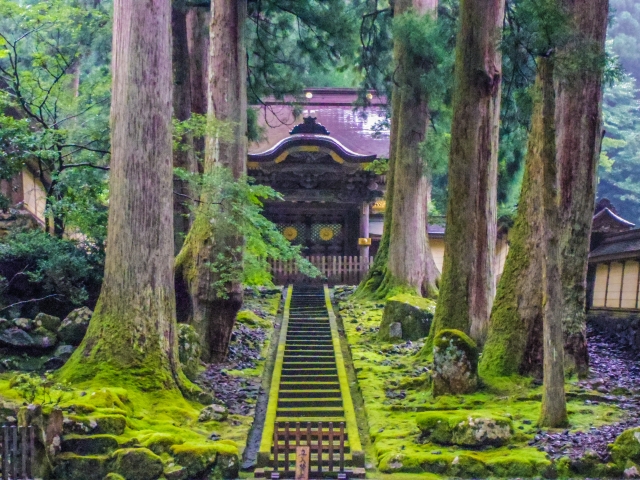
Michelin Green Japan Pick! Eiheiji Temple, a Zen Sanctuary
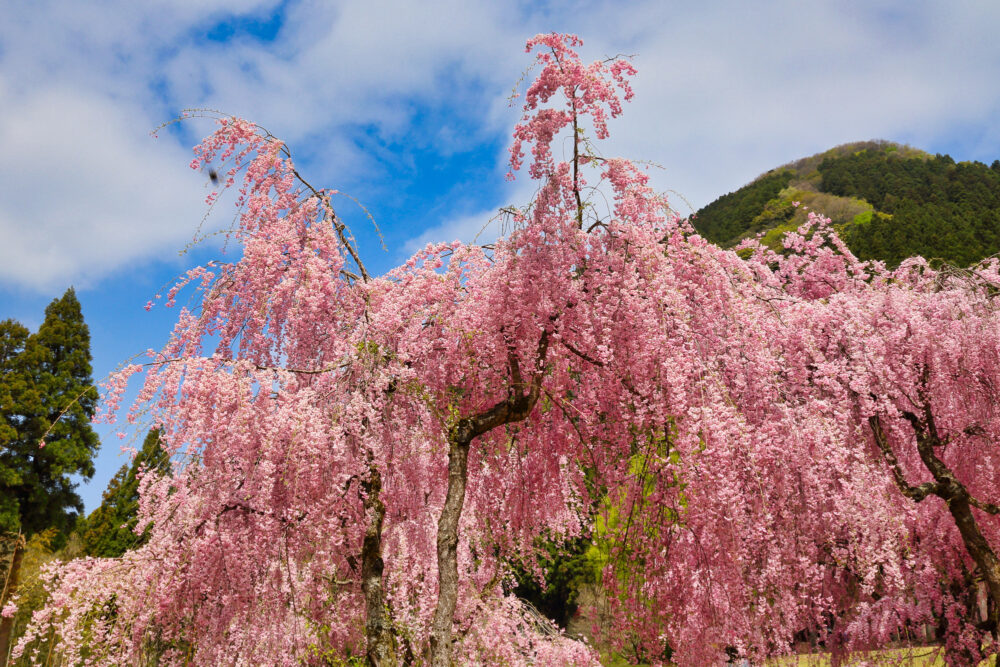
Eiheiji Temple was founded in 1244 by Dogen Zenji, the founder of the Soto school of Zen Buddhism.
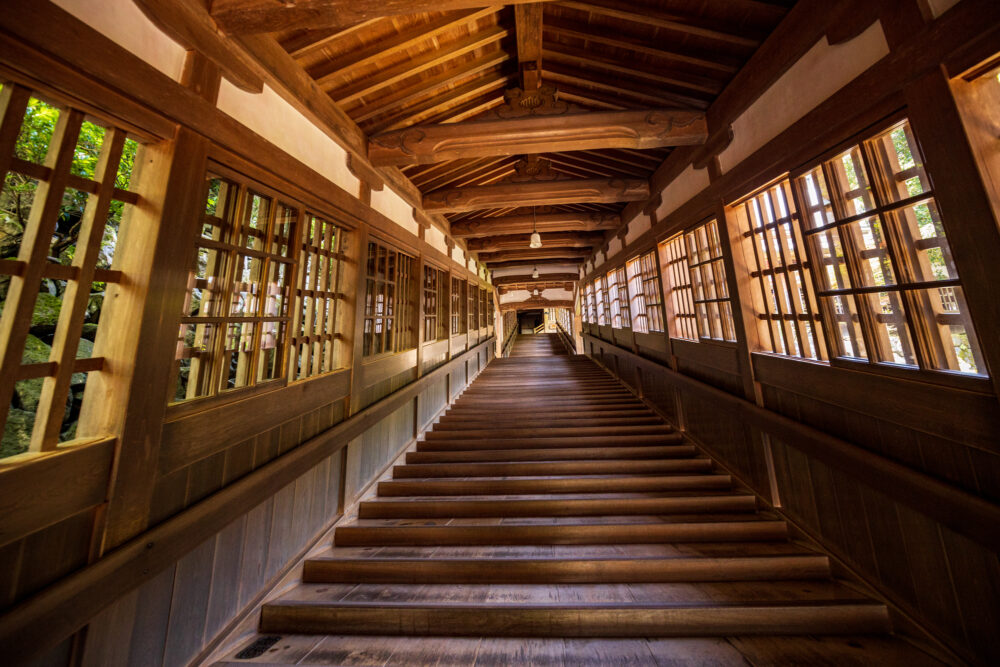
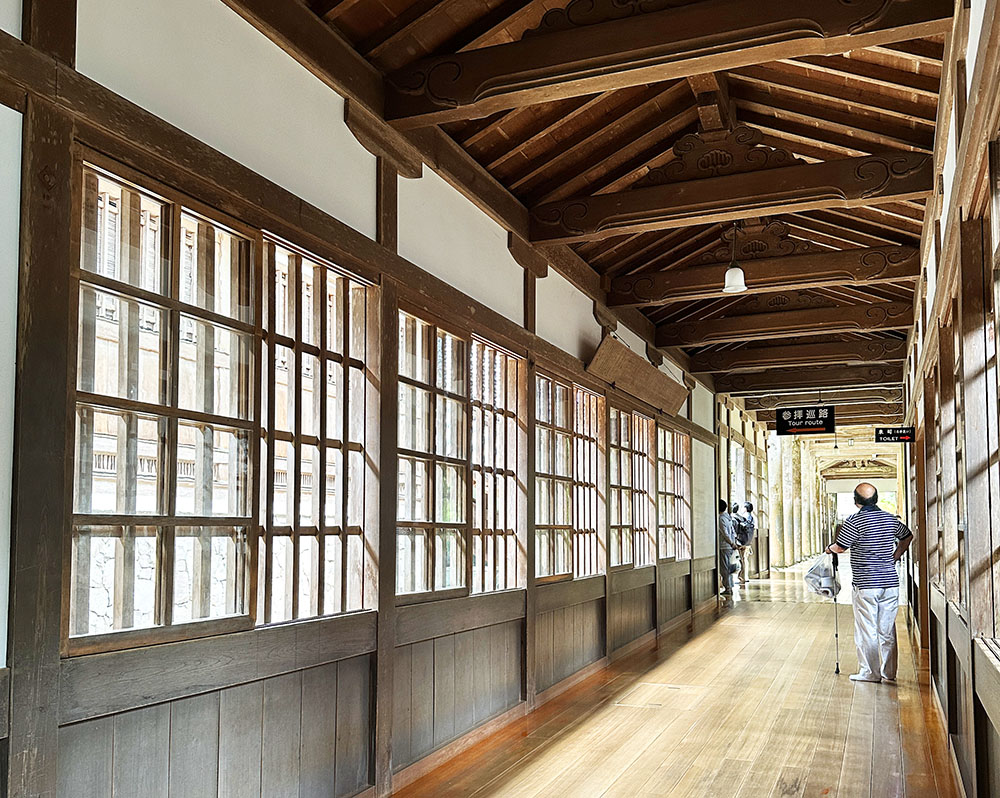
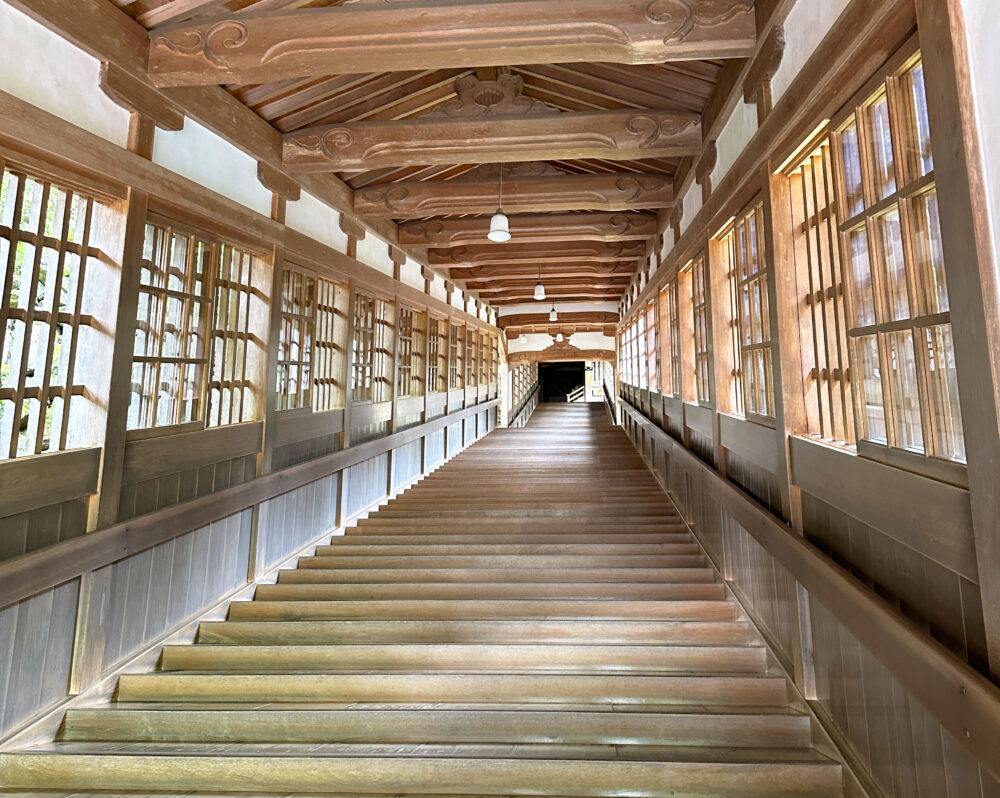
Within the grounds, over 70 buildings stand in harmony, with the seven main halls (shichido-garan) connected by covered walkways—each essential for daily Zen practice.
The on-site Rurishōhōkaku Treasure Hall displays cultural treasures, including the Fukan Zazengi (National Treasure), said to be handwritten by Dogen himself.
In 2015, Eiheiji received two stars in the Michelin Green Guide Japan, highlighting its spiritual and cultural significance.
What Blessings Does Eiheiji Offer?
Visiting Eiheiji is said to bring the spiritual benefit of “purification.”
Surrounded by nature, the temple exudes peaceful energy that helps clear your mind and uplift your spirit.
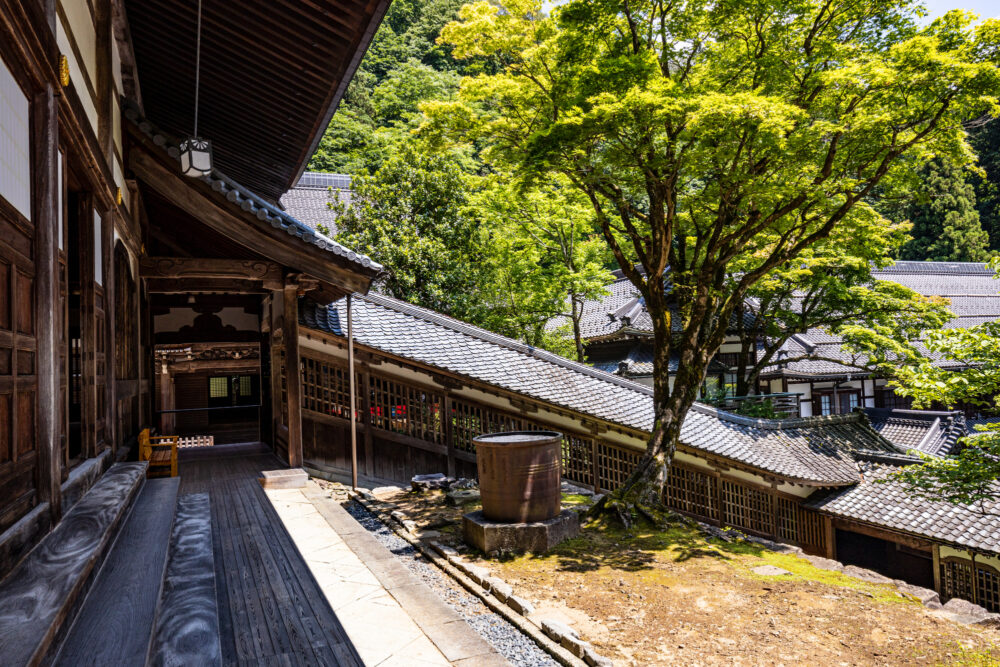
My Journey to the Dazzling Eiheiji and Its Monks
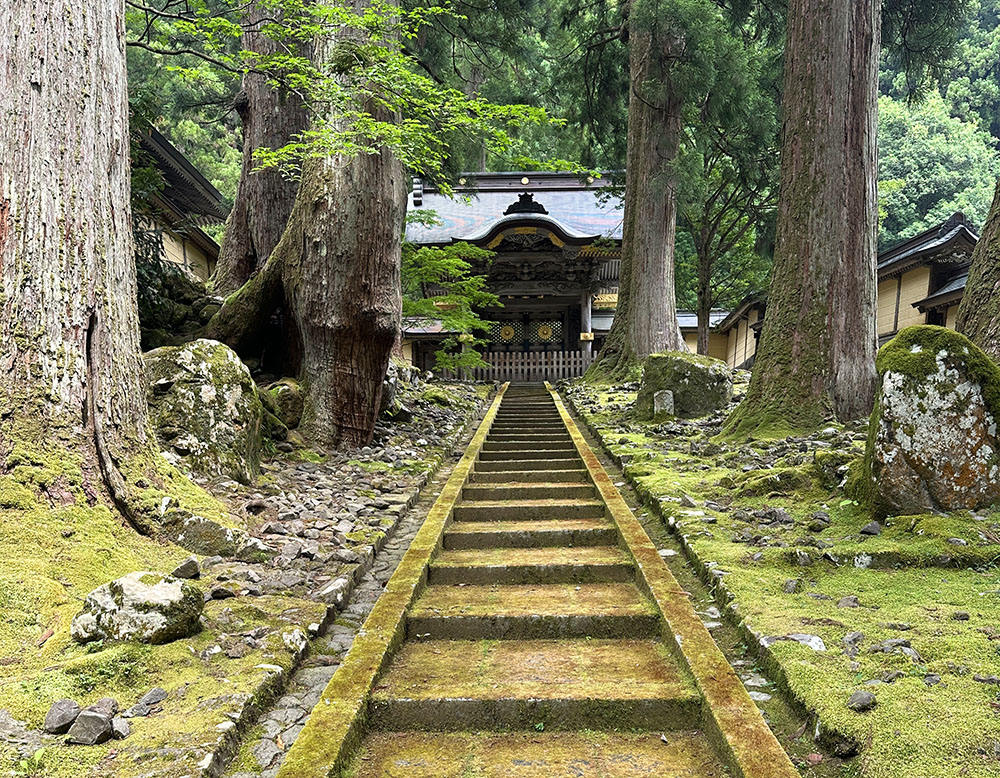
On my round-Japan trip, I finally made it to Eiheiji!
Although I had visited Fukui before, I always skipped it—but this time, I was determined to go!
I first learned about Eiheiji from a package of Nama Habutaemochi I bought in Fukui. The label said “Officially supplied to Eiheiji Temple,” and I figured: if a place this delicious is associated with the temple, it must be worth visiting!
Eiheiji is the head temple of Soto Zen and a proud landmark of Fukui Prefecture.
With over 770 years of history, its majestic atmosphere is humbling.
You can observe monks (unsui) engaged in their rigorous training, and with the rise of “ZEN” worldwide, many foreign travelers now visit the temple.
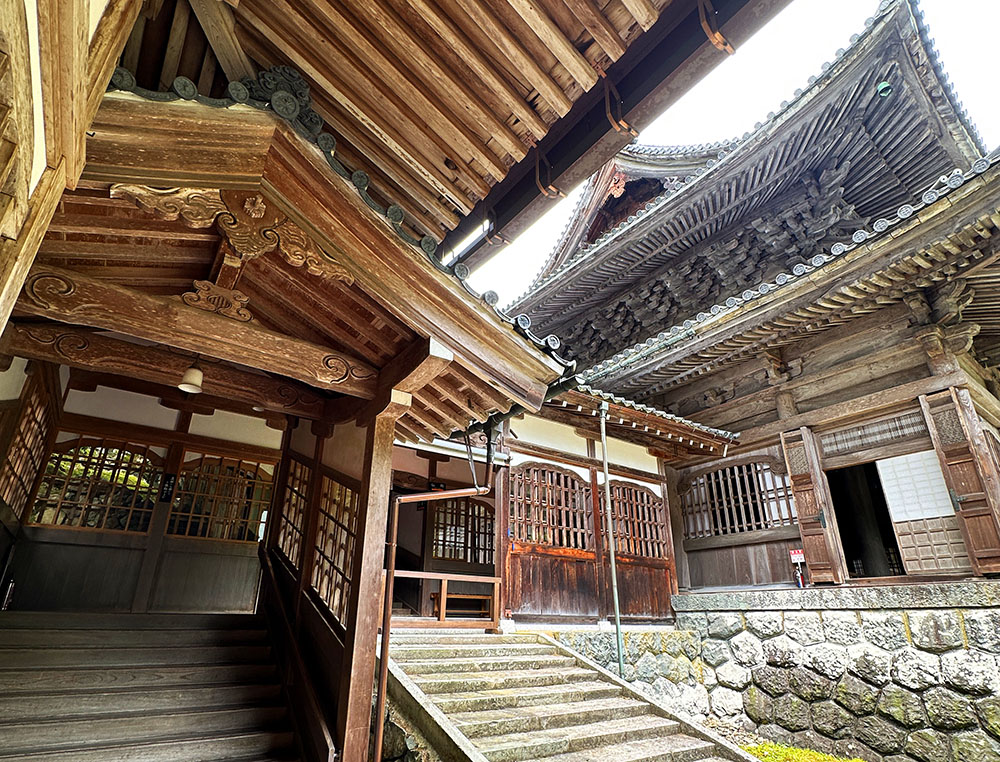
You can walk around the grounds for free, but to enter the seven sacred halls, there’s a 700 yen admission fee.
Totally worth it! I even overheard a couple debating whether to pay, and I wish I could’ve shouted, “Go in—trust me!”
Unlike any other temple I’ve visited (including the Shikoku 88-temple pilgrimage), this place felt “alive.”
Seeing real monks in training made the atmosphere fresh, sacred, and deeply motivating. The scent of incense lingering in the air added to the charm.
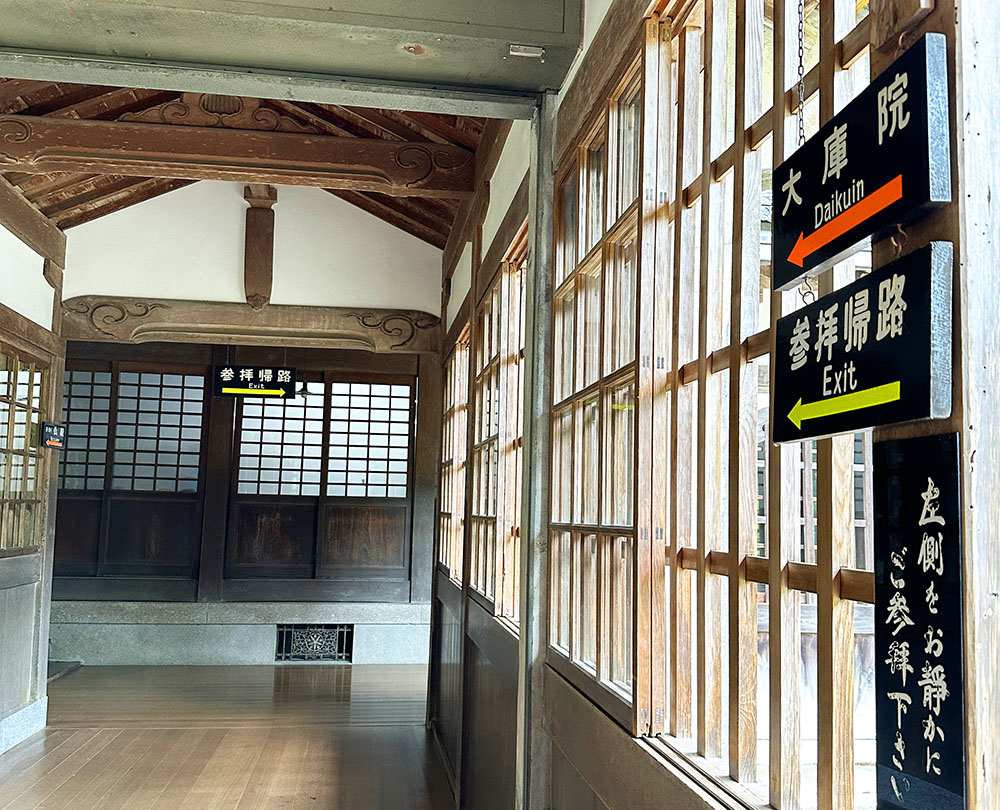
The Seven Halls of Eiheiji—called garan—are spaces dedicated to pure Buddhist training.
In Zen Buddhism, they include the Dharma Hall, Buddha Hall, Monks' Hall, Kitchen, Main Gate, Toilet Hall, and Bathhouse—three of which are called the “Silent Practice Spaces.”
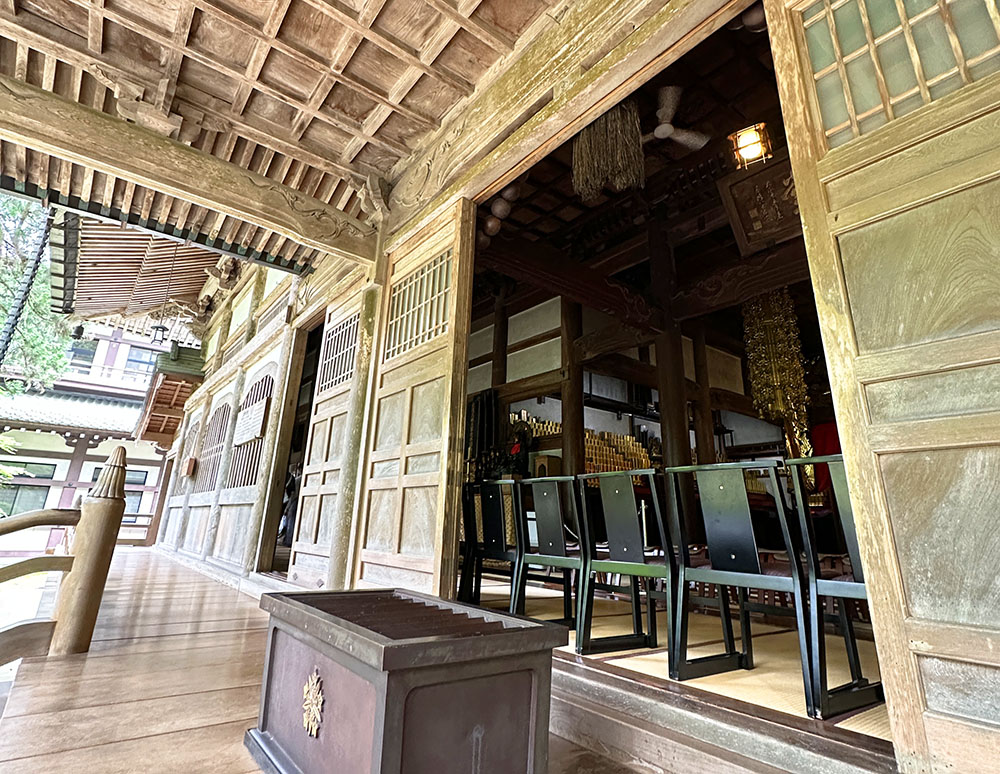
What really struck me were the walkways between buildings.
The polished wooden floors, gentle breezes, and green surroundings refreshed my body and mind.
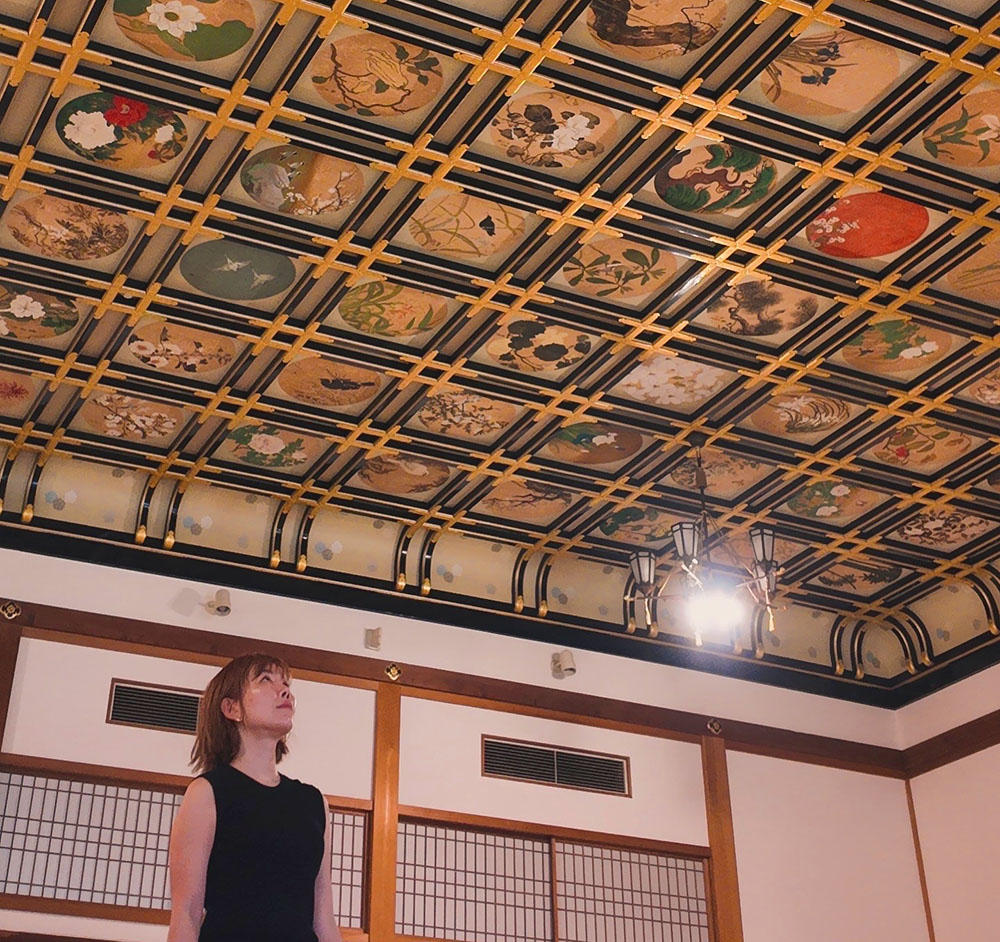
I was especially excited to see Sanshokaku Hall’s painted ceiling—a dazzling masterpiece renovated in 1994.
The 156-tatami room upstairs features 230 colorful paintings by 144 famous artists from the 1930s.
Warning: your neck will hurt if you try to see every single one (I know mine did…).
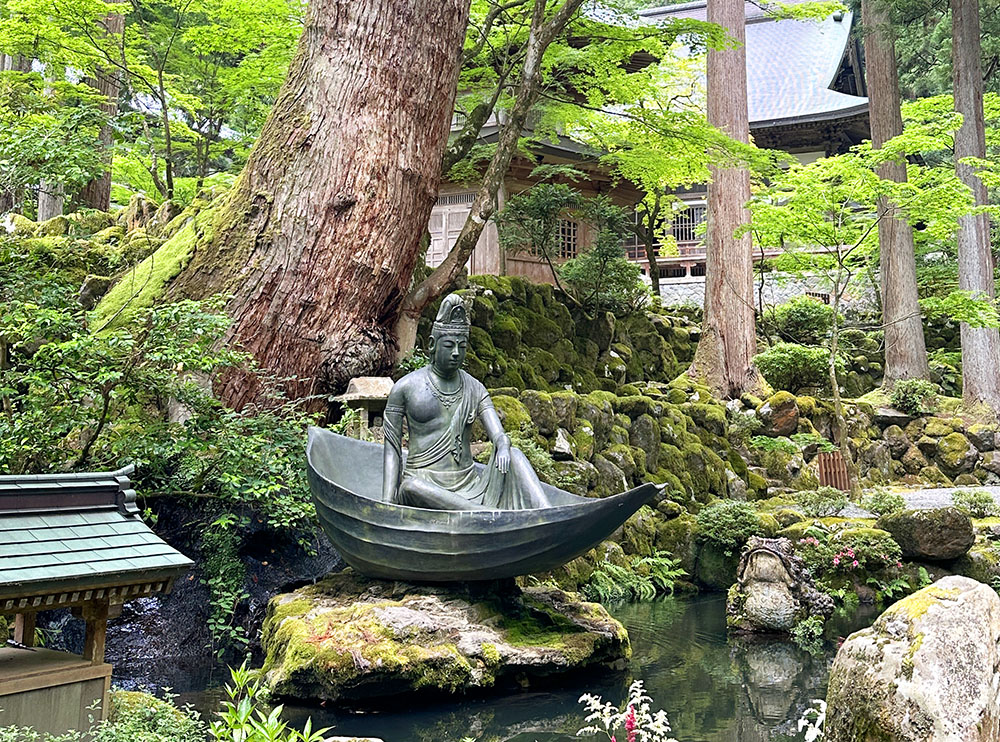
Outside the side gate, I spotted a mysterious statue of Buddha and a frog near a pond full of tadpoles.
Behind it stood the sutra tower (nokyoto).
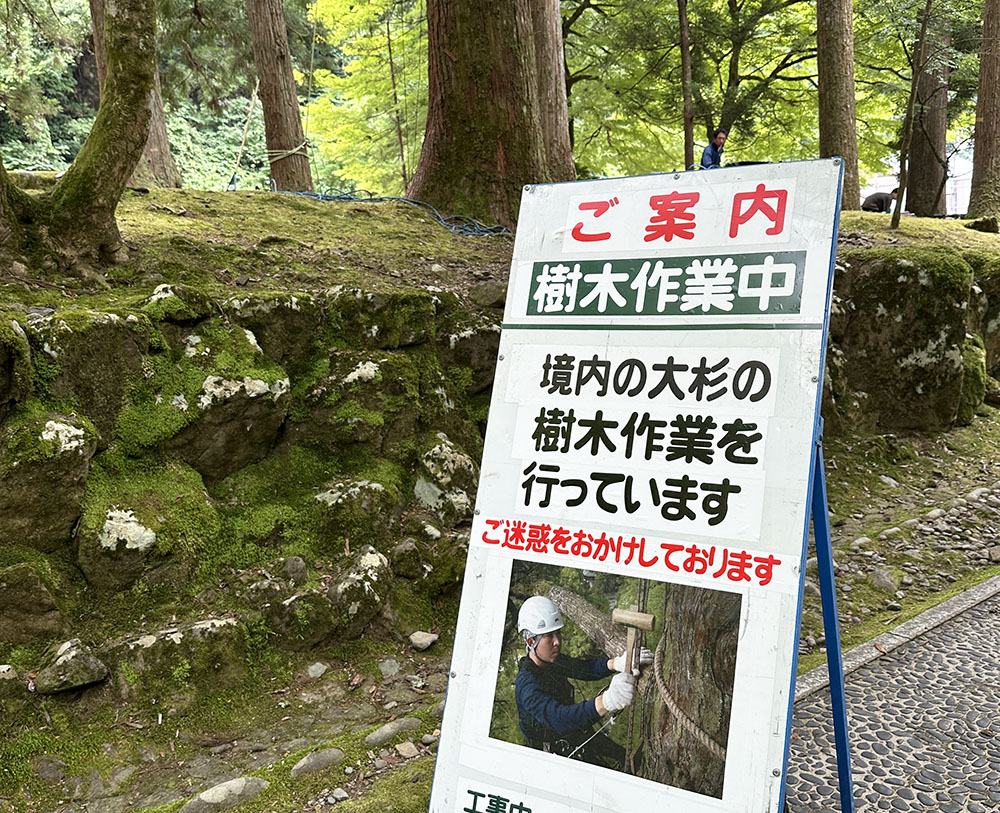
Even the large trees lining the approach are supported by human care—a reminder of the temple’s living nature.
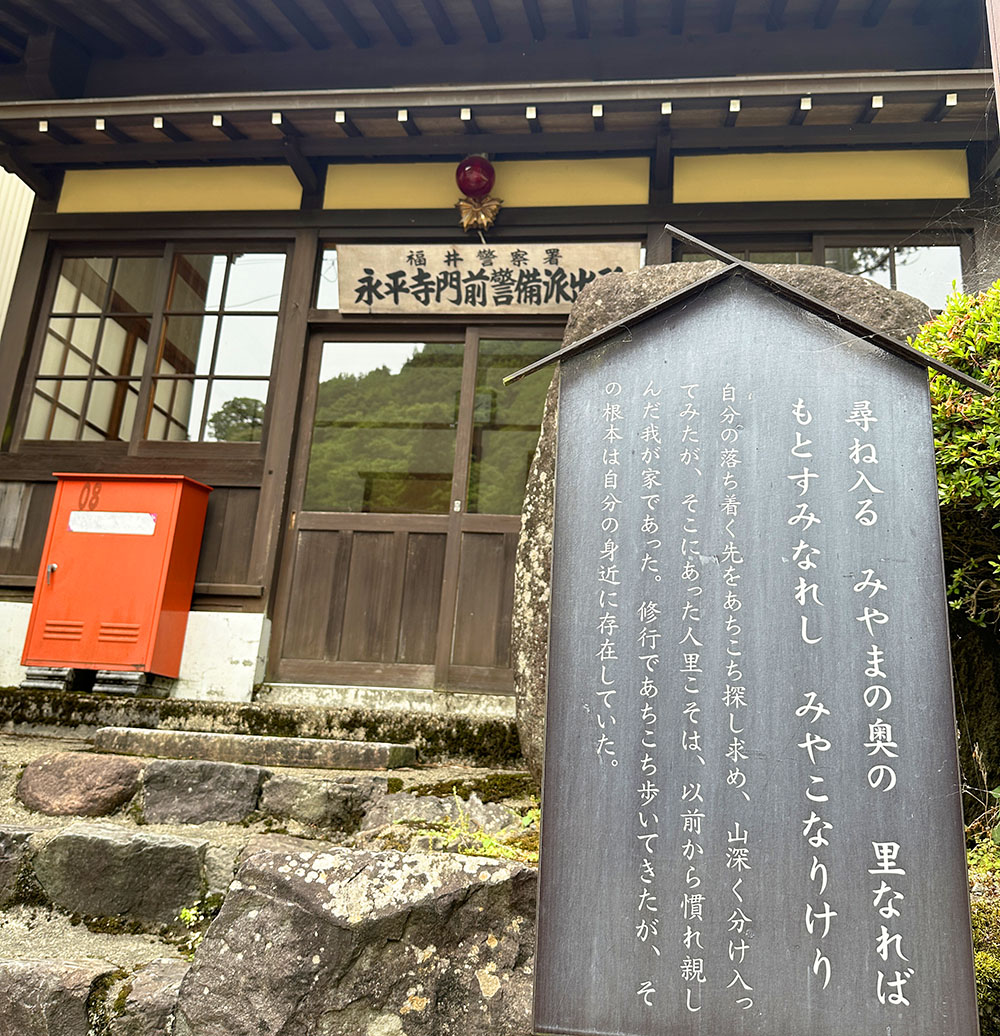
The police box in front of the temple gate was surprisingly charming, and a wooden signboard in front had a message that truly moved me.
I wonder if I’ll reach such spiritual depth by the end of my journey around Japan.
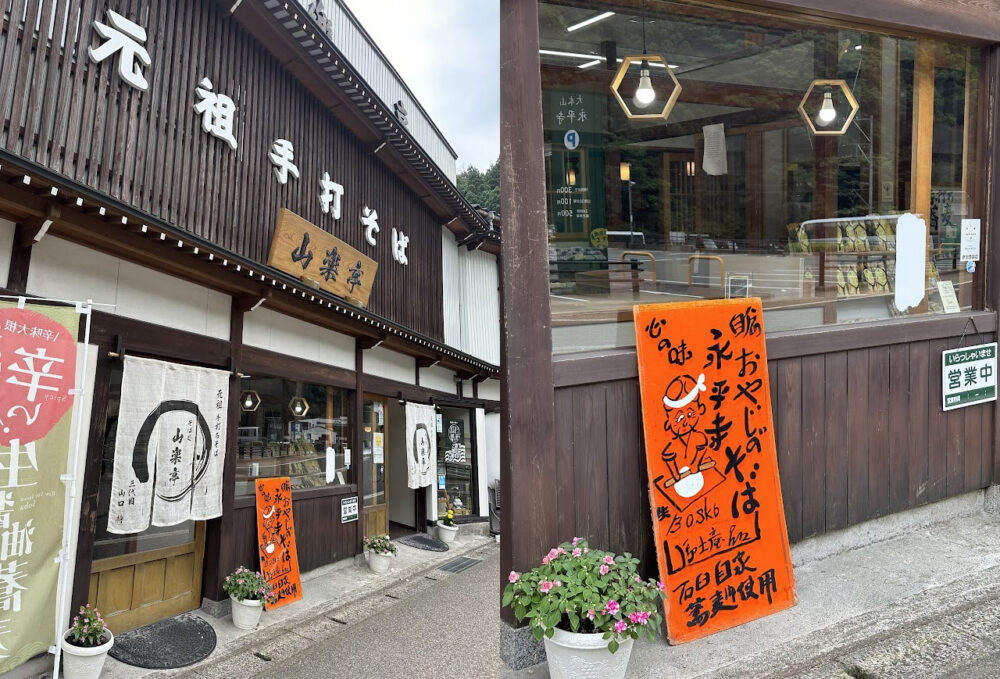
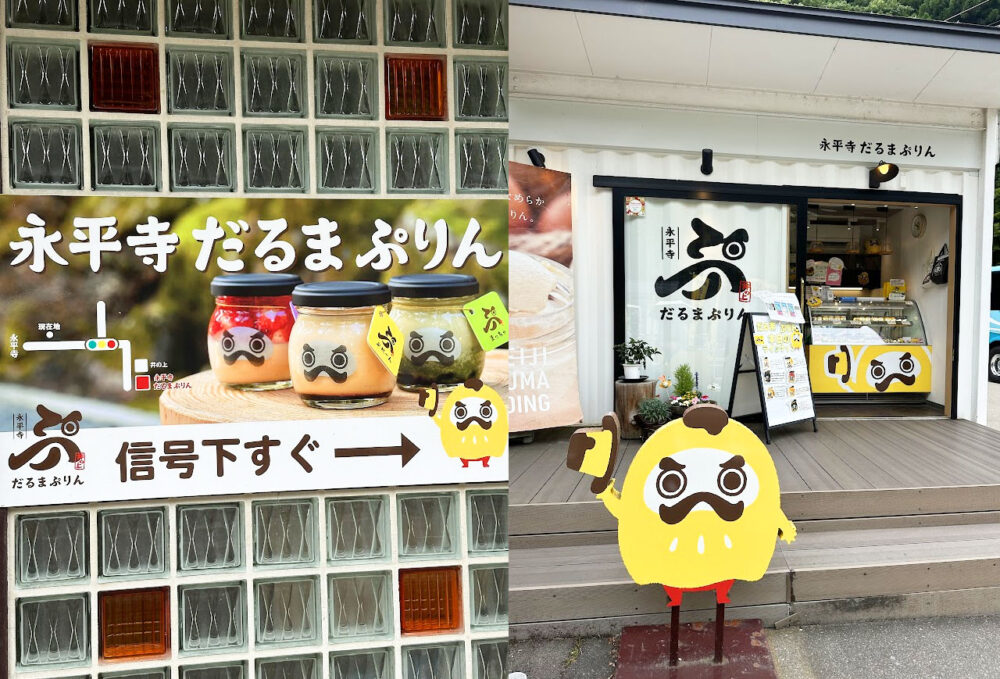
On the approach to Eiheiji, you’ll find various shops and food stalls.
Since I visited on a weekday, many stores were closed and the area was quiet—perfect for a peaceful walk.
Access to Eiheiji Temple
From Osaka, it takes about 3 hours by car.
There are many coin parking lots near Hanshakubashi Bridge.
Some souvenir shops offer free parking if you make a purchase over a certain amount.
Opening hours: 8:30am – 4:30pm (last entry at 4:00pm)
※ Subject to seasonal changes