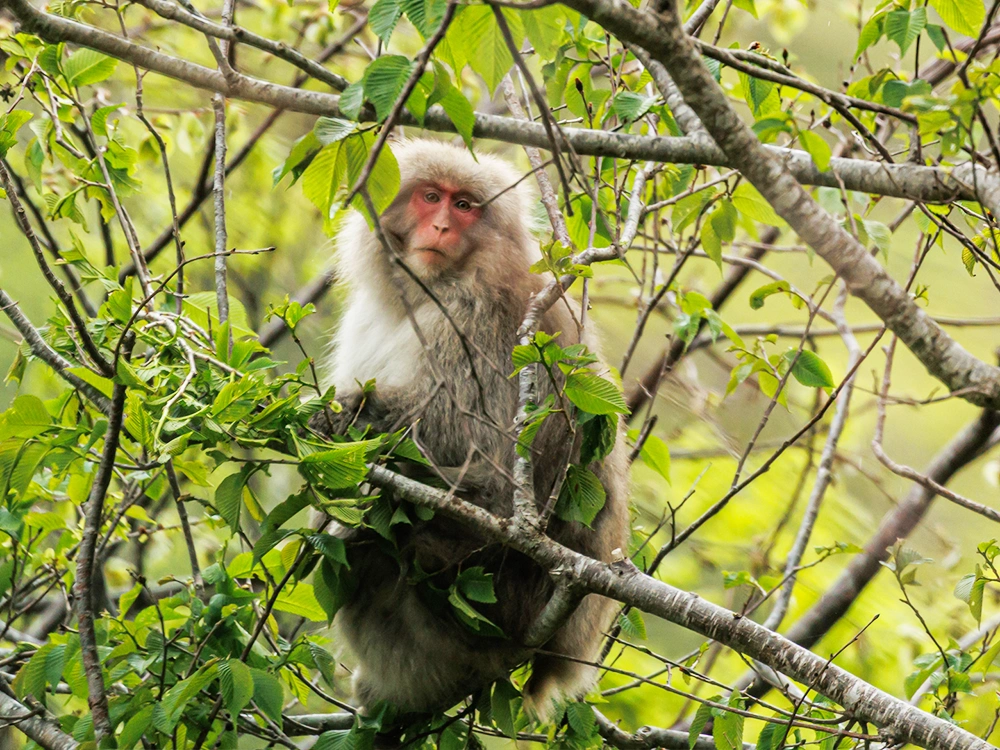
Visiting Wakinosawa Wild Monkey Park – A Quiet Shimokita Escape to See the Northernmost Japanese Macaques
Wakinosawa Wild Monkey Park
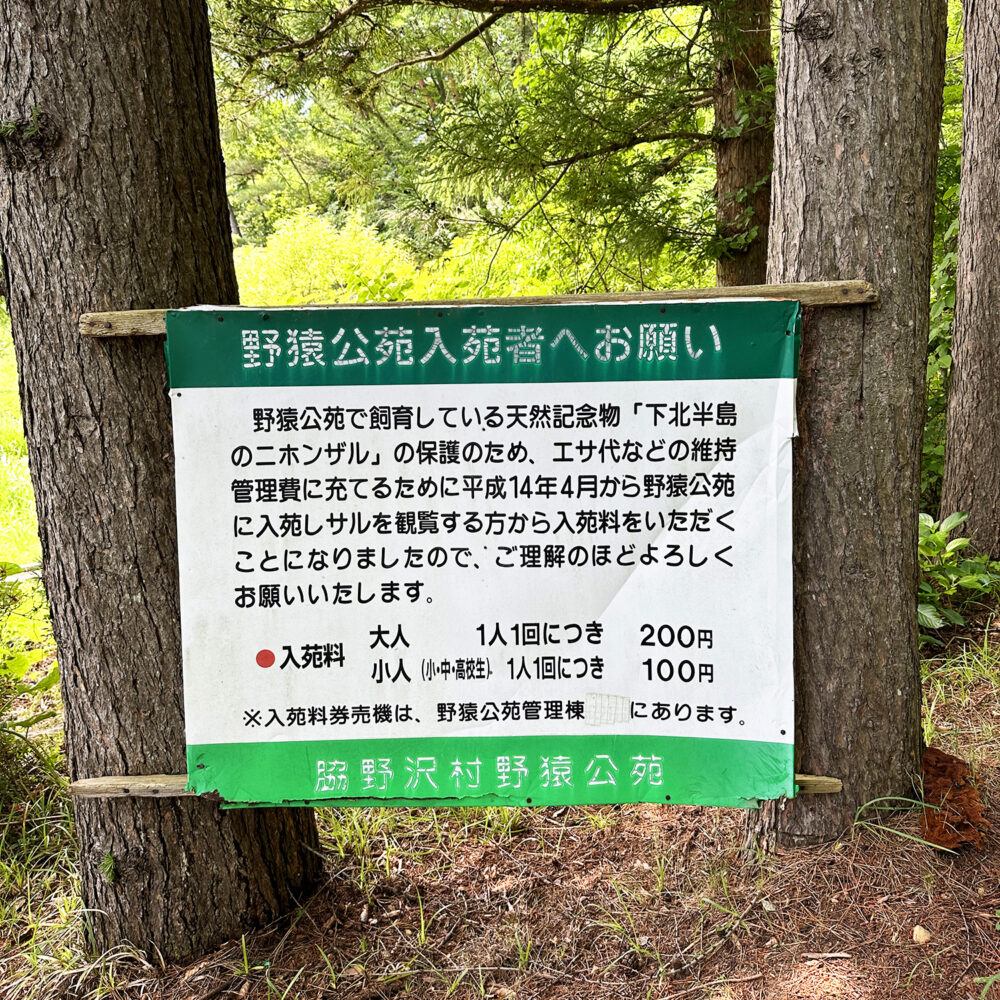
Today, I planned to take a ferry from the Shimokita Peninsula to the Tsugaru Peninsula. With some time to spare before departure, I stopped by to visit the Japanese macaques of Shimokita.
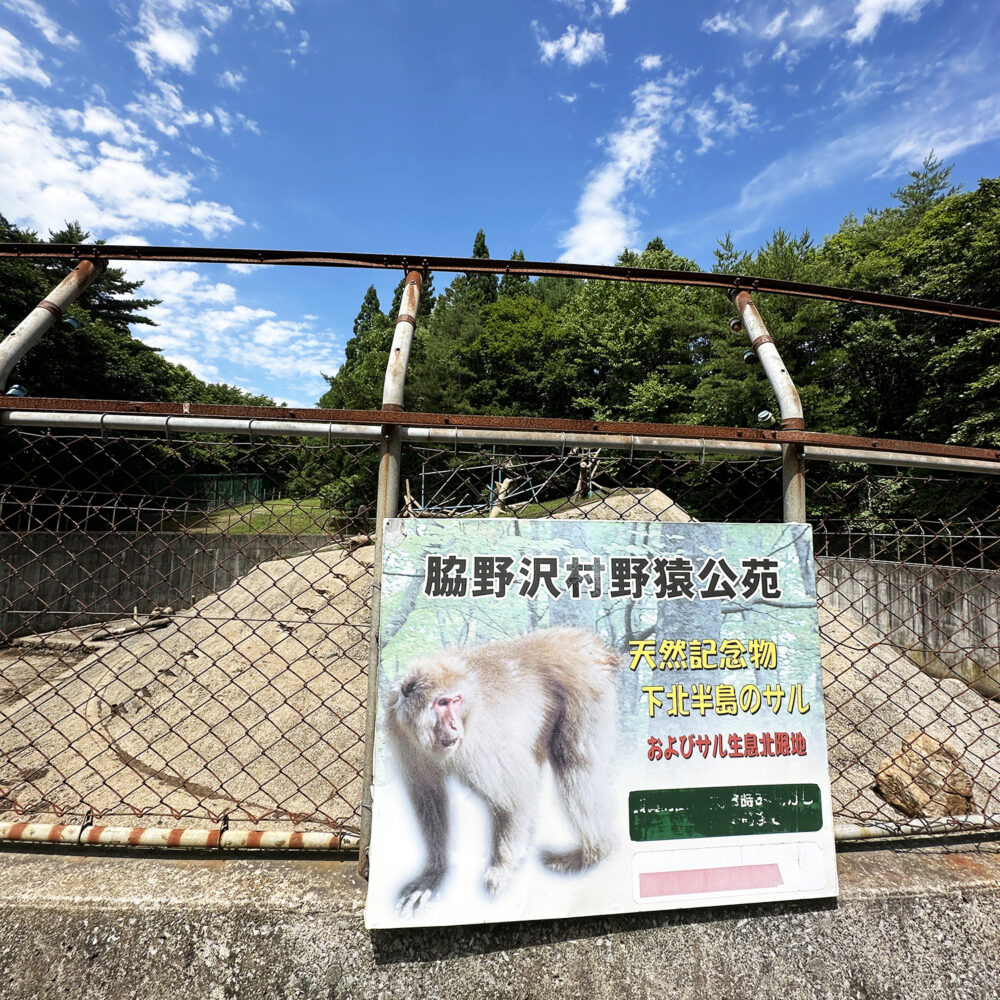
Wakinosawa, located in the Shimokita Peninsula, is known for its population of wild animals like monkeys and serows. The Japanese macaques that live here are the northernmost wild monkeys in the world and have been designated a National Natural Monument of Japan.
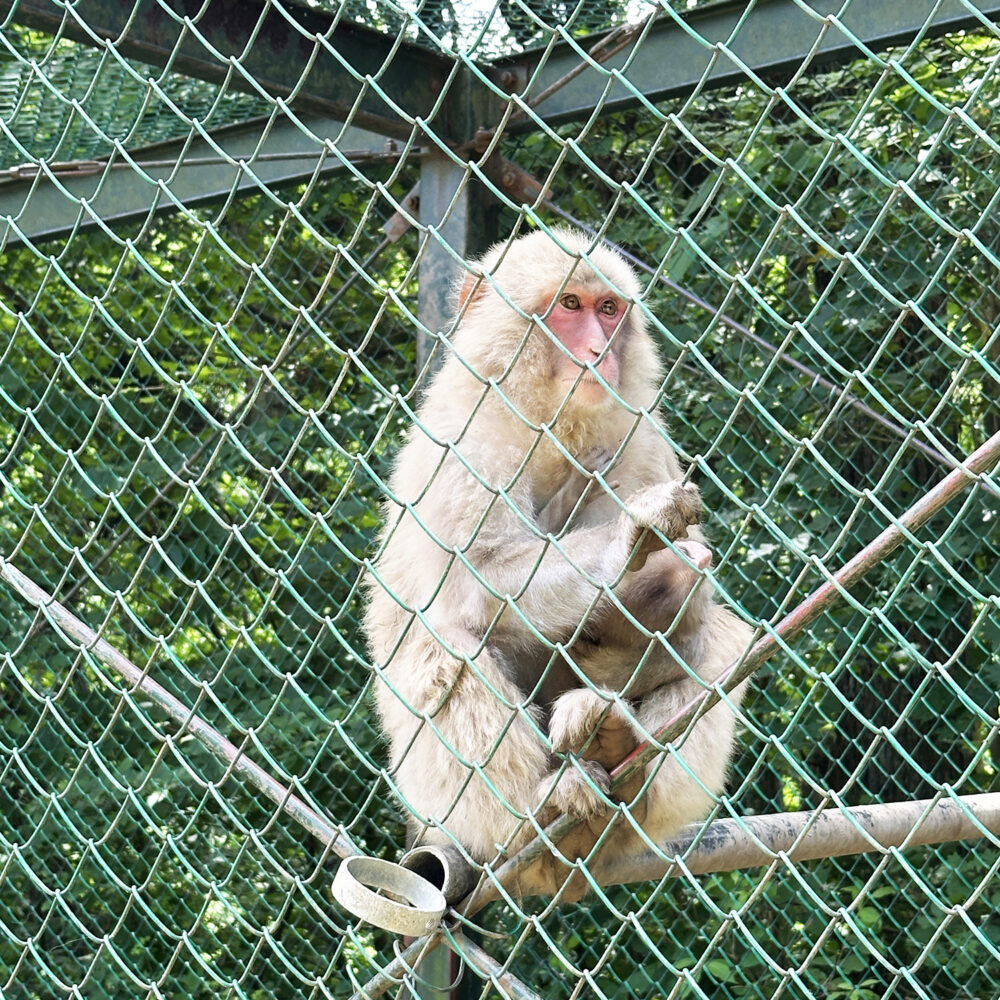
Around 50 monkeys live in the park, but because of the heat, they were all lounging around, looking totally relaxed. Even monkeys get hot! The park was very quiet with almost no other tourists — just the sounds of nature and the occasional monkey call.
I even spotted a baby monkey clinging tightly to its mother. So cute!
The Japanese macaques here form a wild troop that naturally inhabits the mountainous regions of the Shimokita Peninsula. This area is recognized as the northernmost place in the world where wild monkeys live, and the species here was designated a Natural Monument in 1953.
At Wakinosawa Wild Monkey Park, the macaques live in an environment that closely resembles their natural habitat. If you're lucky, you might see adorable baby monkeys in the spring or early summer 🐵💕
Since it’s a small, quiet facility, it’s a perfect destination for travelers who want to observe animals peacefully, away from the crowds. While compact, the park offers a calm, close-up experience with Japan’s unique wildlife.