Visiting the 3.11 Tsunami Memorial in Rikuzentakata: Remembering the Great East Japan Earthquake and the Miracle Pine
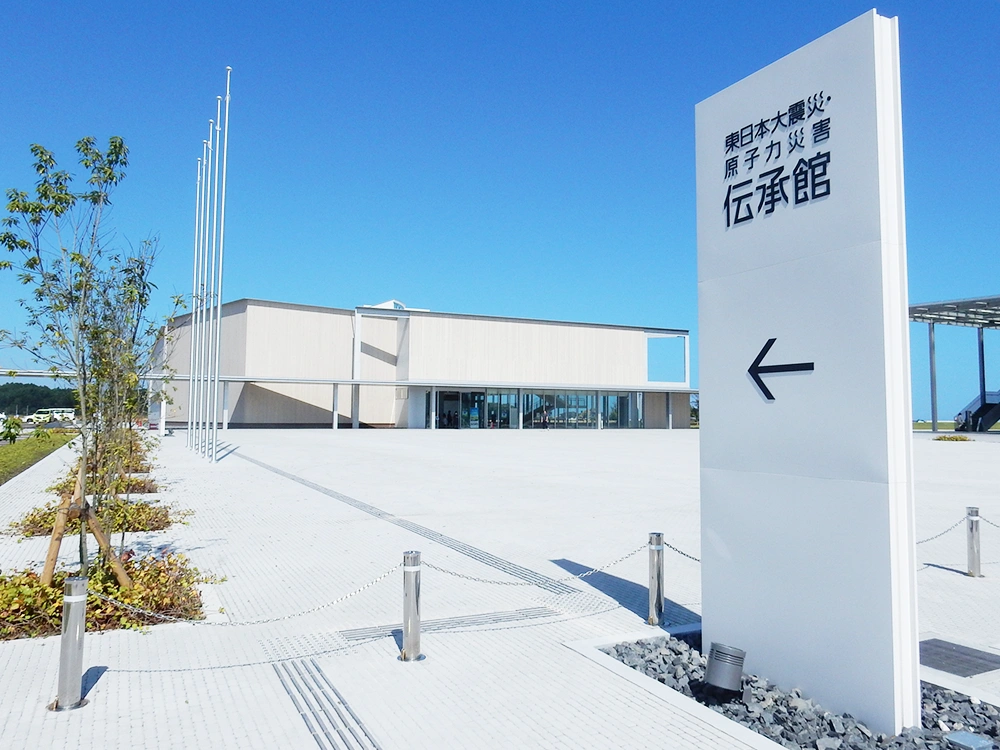
Iwate Tsunami Memorial Museum
During my onsen-focused trip around Japan, I chose to travel through the Sanriku coast—a region not known for hot springs—because I wanted to witness the areas affected by the Great East Japan Earthquake firsthand.
The earthquake struck at 2:46 p.m. on March 11, 2011, originating about 130km southeast of the Oshika Peninsula in Miyagi Prefecture, at a depth of around 24km.
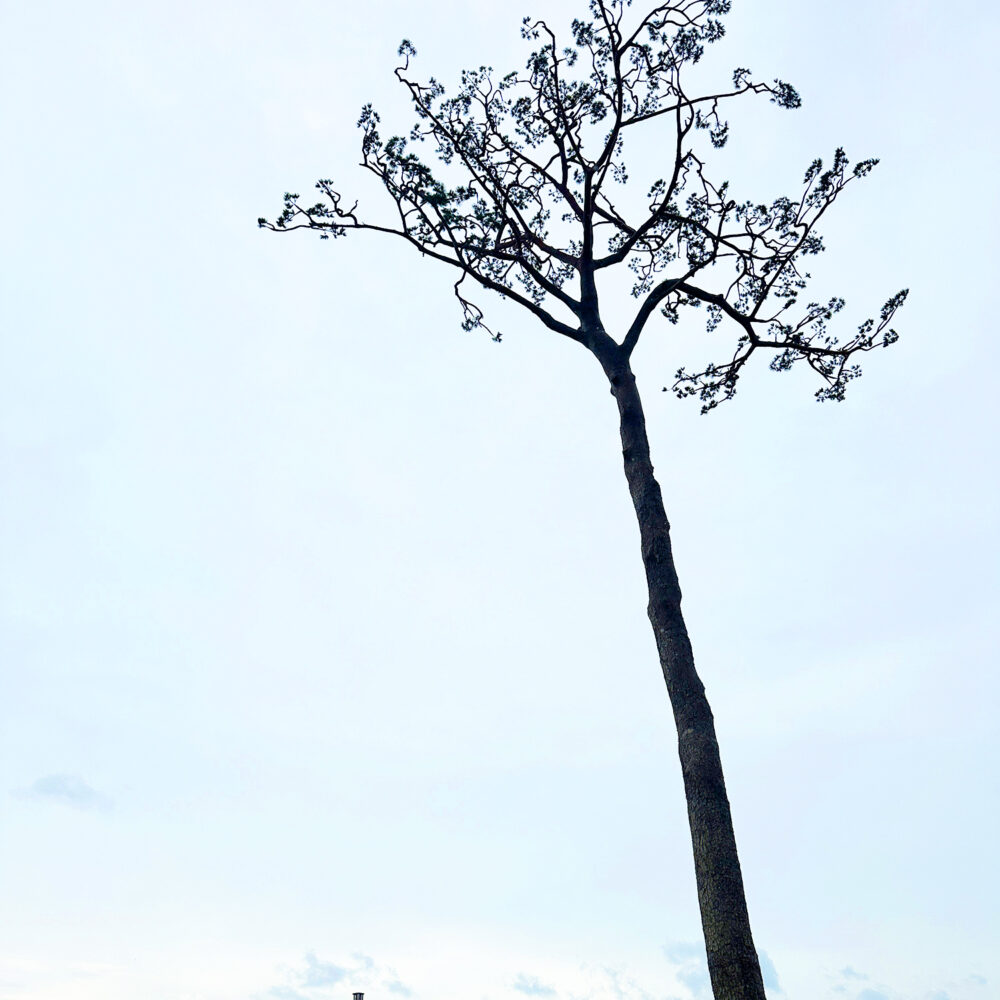
Like many people, I only knew the disaster through news and the internet. In the rain, I went to see the “Miracle Pine Tree,” the sole survivor among 70,000 pine trees that were swept away by the tsunami. Once a vast pine forest stretching 2 kilometers, now only this single tree remains—preserved as a monument.
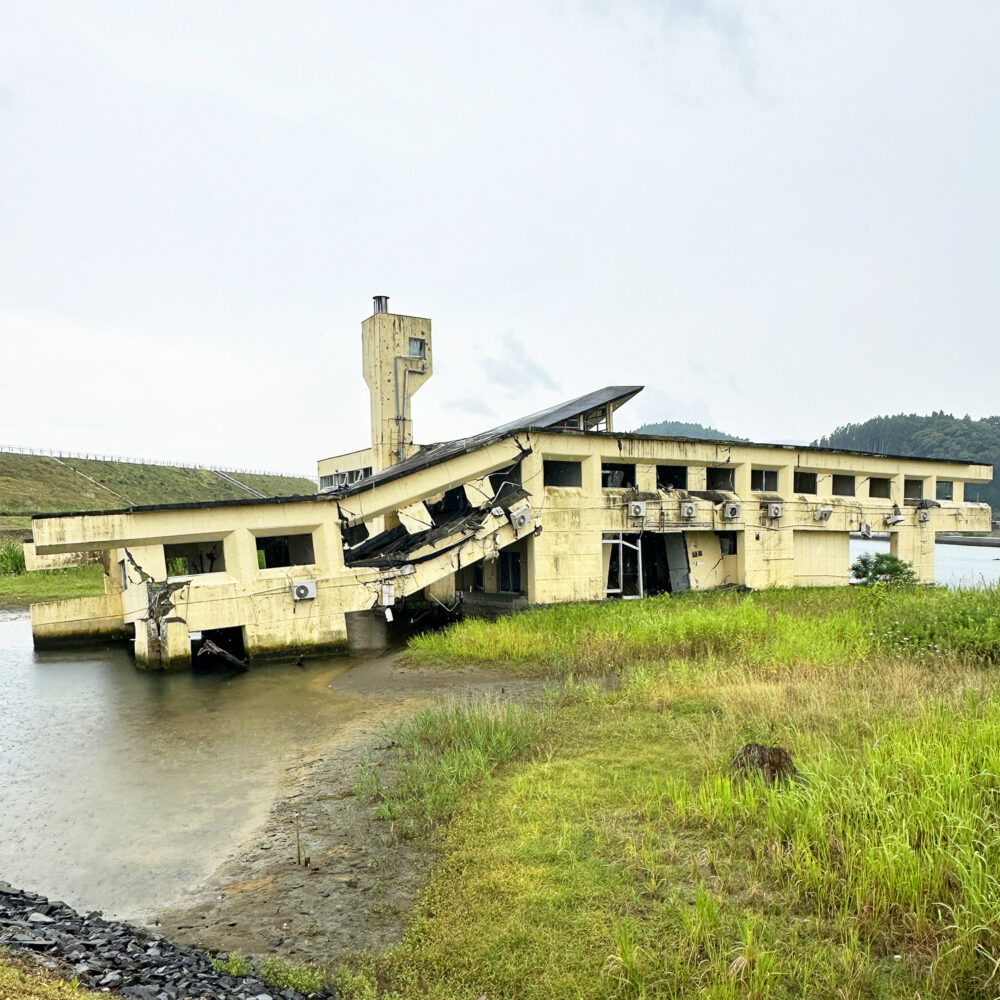
Beside it stands the twisted ruins of a former youth hostel, still scarred by the tsunami, silently telling the story of that day.
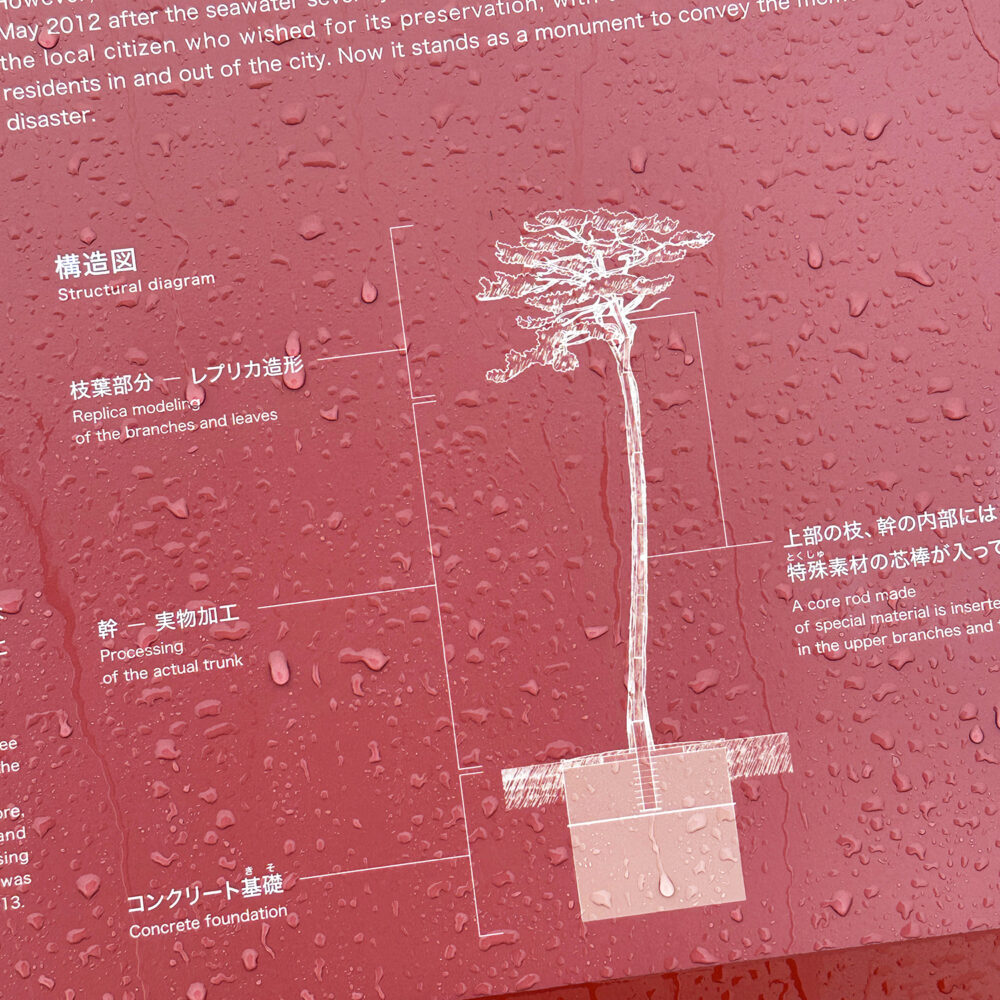
The hostel building actually protected the pine tree, allowing it to survive the initial impact. Sadly, the tree later died due to salt damage, but a replica now stands as a symbol of resilience. It’s hard to believe that this desolate area once held 70,000 trees. Under the cloudy sky, the solitary pine looked quietly solemn.

I also visited the Iwate Tsunami Memorial Museum, a free facility adjacent to the roadside station. It presents a sobering and interactive experience of the 2011 earthquake, tsunami, and Fukushima nuclear disaster.
You’ll find real footage, survivor testimonials, models, and touchscreen displays that convey the magnitude of the disaster.

Watching the footage of the tsunami hit me harder than I expected. I wasn’t even there, yet my chest tightened and tears welled up. It made me think—we can’t prevent natural disasters, but we *can* prevent war.
I left hoping for a future where no lives are lost to tragedies we *can* stop.
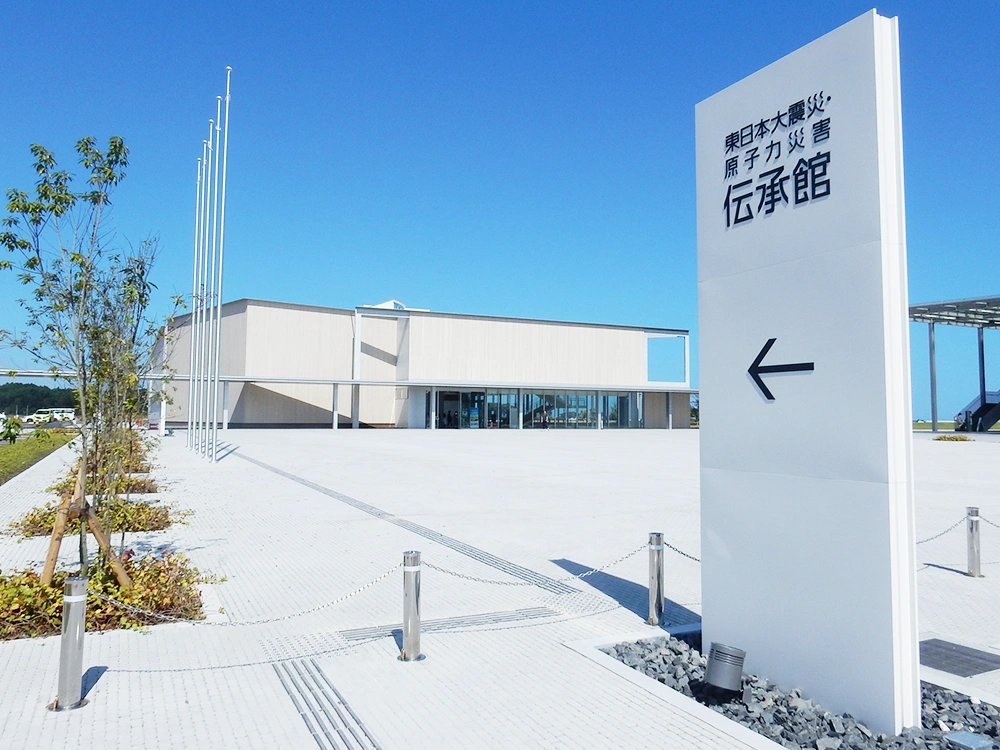
Located in Rikuzentakata, Iwate Prefecture, the Iwate TSUNAMI Memorial was opened in 2019 to preserve the memory of the Great East Japan Earthquake. It shares powerful lessons about disaster preparedness, the value of life, and the strength of communities.
Together with the adjacent Miracle Pine and remains of disaster-struck buildings, the museum serves as a place of learning and remembrance.
Address: 180 Dote-kage, Kesennacho, Rikuzentakata, Iwate Prefecture (next to Roadside Station Takata Matsubara)
Hours: 9:00am – 5:00pm (last entry 4:30pm)
Closed: December 29 to January 3
Admission: Free
Access: 10 min walk from BRT Rikuzentakata Station / 5 min drive from Sanriku Expressway “Takata IC”
Website: https://iwate-tsunami-memorial.jp/